**Immediate delivery – only $11 (one-time payment)** Not Returnable
You are not just one archetype.
What Makes This Deck Different
What You Get Instantly


In 2025, Baby Boomers (born 1946–1964) and Generation X (born 1965–1980) are stepping up as unexpected trailblazers in the fight for a greener planet. Dubbed “rebels with a cause,” these generations are revolutionizing sustainable living by embracing recyclable fashion, self-sufficient gardens, and vibrant community spaces—all infused with a futuristic, sci-fi aesthetic that’s as cool as it is eco-conscious. Forget the stereotype of younger generations dominating the green movement; Boomers and Gen X are proving that experience, pragmatism, and a touch of nostalgia can drive meaningful change. This article explores this trending movement and offers practical ways you can join the rebellion, inspired by real-world examples and insights from recent trends.
While Gen Z and Millennials often grab headlines for their climate activism, Bo Boomers and Gen X are quietly leading in sustainable practices, with 41% of Boomers and 39% of Gen Xers actively reducing their environmental footprint through lifestyle changes, compared to younger cohorts. Their motivations stem from a blend of pragmatism and legacy-building. Having witnessed decades of environmental shifts, Boomers are driven by a desire to leave a healthier planet for their grandchildren, while Gen X’s adaptability, shaped by economic and social upheavals, makes them naturals at integrating sustainability into daily life. A 2021 survey found that 50% of Boomers shop locally, buy durable clothing, and avoid single-use plastics, far outpacing the 25% of 18–34-year-olds doing the same.
What sets 2025 apart is the aesthetic: a “solarpunk” vibe, blending eco-living with sci-fi-inspired designs—think sleek, recycled-metal garden structures, neon-lit community hubs, and fashion that looks straight out of a cyberpunk novel. Pinterest Predicts 2025 highlights a 115% surge in searches for self-sufficient gardens and an 80% increase for “solarpunk house,” signaling a cultural shift toward eco-chic living.
Boomers and Gen X are ditching fast fashion for recyclable and upcycled clothing, prioritizing quality over quantity. In 2025, sustainable fashion isn’t just about thrift stores—it’s about bold, futuristic designs made from recycled materials, like jackets woven from plastic bottles or jewelry crafted from e-waste. Brands like ThredUp and The RealReal, which saw resale markets surge 55% to $40 billion since 2019, are booming as these generations embrace second-hand luxury.
Self-sufficient gardens are booming, with chaos gardening (a low-maintenance, natural planting method) up 300% in search popularity. Boomers and Gen X are turning backyards and rooftops into food forests, using vertical gardening and hydroponics for year-round harvests. These gardens aren’t just practical—they’re designed with sci-fi flair, featuring glowing trellises or modular, 3D-printed planters.
Boomers and Gen X are revitalizing community spaces as eco-conscious gathering spots, from solar-powered libraries to co-op markets. These hubs double as social and environmental catalysts, often featuring recycled materials and sci-fi-inspired designs like geodesic domes or LED-lit murals. A Radial survey found 44% of Boomers prioritize sustainability daily, making them ideal stewards of these spaces.
The solarpunk aesthetic—rooted in sustainable tech and vibrant, futuristic visuals—is the glue binding these trends. Imagine clothing with embedded LEDs, gardens with holographic plant labels, or community centers resembling starships, all crafted from recycled materials. This vibe resonates with Boomers’ nostalgia for retro-futurism and Gen X’s love for tech-driven innovation. Pinterest Predicts notes an 80% spike in “solarpunk house” searches, reflecting demand for homes with green roofs and modular, recyclable furniture.
This movement isn’t just trendy—it’s transformative. By reducing waste, growing food, and fostering community, Boomers and Gen X are cutting carbon footprints and building resilience against economic and climate challenges. A McKinsey survey shows 23% of Gen X and 16% of Boomers will pay more for eco-friendly products, proving their commitment. Their influence also inspires younger generations, with 75% of Gen Z prioritizing sustainability due to elder role models.
You don’t need a big budget or a green thumb to embrace this trend—just a rebel’s spirit. Start with one action: swap a fast-fashion buy for a thrifted gem, plant a windowsill herb, or host a community clean-up with a sci-fi twist. As Greta Thunberg said, “No one is too small to make a difference.” In 2025, Boomers and Gen X are proving that age is no barrier to revolutionizing sustainability—and you can too.
Sources:
The "Goddess Complex" trend in home decor is all about creating spaces that evoke a sense of empowerment, luxury, and divine femininity. It blends ancient mythological inspiration with modern aesthetics, and can be incorporated into your space in a way that feels both stylish and deeply meaningful. Here's how you can bring this trend into your home:
Rich Fabrics: Velvet, silk, and satin in deep, royal colors (think rich purples, emerald greens, gold, and burgundy) help create an opulent atmosphere.
Bold Color Palette: Deep, mystical shades like gold, rose quartz, lavender, and onyx. You could also use metallic accents like gold, silver, and bronze.
Textures and Layers: Layer plush rugs, throw pillows, and blankets. Think soft textures that encourage relaxation and self-care.
Goddess Figurines or Statues: Integrate statues or art pieces inspired by ancient goddesses like Aphrodite, Isis, or Athena. Don't shy away from modern religions. These can be subtle yet powerful symbols of femininity and strength.
Symbolic Art: Look for art or prints that evoke themes of power, beauty, and wisdom. Consider abstract representations of goddesses or spiritual symbols like moons, stars, or lotus flowers.
Chakra and Spiritual Elements: Integrating sacred geometry or chakra symbols can enhance the spiritual vibe of the room.
Photo: Throw pillow inspired by old testament priesthood. Also see manora.
Here is your license to express your religion in your decor as you've always wished.
Crystals and Gemstones: Incorporate healing crystals such as rose quartz, amethyst, or moonstone, which are associated with feminine energy and spirituality. You can use these as decorative pieces or functional items.
Floral Touches: Fresh flowers, especially those with symbolic meanings like roses (love), lilies (purity), or lotuses (spiritual growth), can add a natural and vibrant touch to the space.
Warm Lighting: Use soft, warm lighting to create a calming, sensual atmosphere. Consider dimmable lights, sconces, or chandeliers with crystal accents to add a divine glow.
Candles: Scented candles can create a sacred ambiance. Choose ones with floral, earthy, or musky scents, or go for candle holders in goddess-inspired designs.
Statement Pieces: Think about furniture that combines elegance and boldness. Sculptural chairs, curvy sofas, or tables with intricate detailing can evoke the strength and grace of a goddess.
Gold or Bronze Accents: Incorporating gold or bronze in your furniture or decor—whether in frames, lamp bases, or even decorative trays—adds an air of royalty and sophistication.
Sacred Nooks: Create a dedicated area in your home for relaxation, reflection, and ritual. It could include meditation cushions, incense, or a special altar space with meaningful objects.
Mirrors and Reflection: Mirrors can be symbolic of self-reflection and personal growth. Opt for larger mirrors with ornate or simple frames to help bring the goddess aesthetic into your home.
Curved Lines: Embrace soft, flowing shapes in furniture and decor that echo the human form. Look for curves, rounded edges, and organic shapes in pieces like mirrors, couches, or vases.
Sculptural Art: Use art pieces that reflect the human body or abstract interpretations of human forms.
By weaving these elements into your space, you create a powerful and serene environment that celebrates strength, beauty, and grace. Whether you go all-in with a goddess-themed room or simply integrate a few divine touches, it’s about creating a sanctuary that honors the sacred feminine energy within and around you.
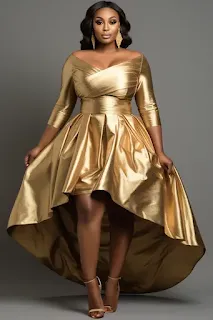
Embrace the Goddess Complex across different aspects of your life. Unlike previous trends that catered exclusively to youth, Use the Goddess Complex style as a statement that style, sensuality, and self-worth are ageless. Embrace your natural beauty, wisdom, and power. Redefine what it means to be divine at any stage of life.
What makes The Goddess Complex more than just a passing trend is its deeper cultural significance. For Boomers and Gen X, this movement is about reclaiming your place in conversations around beauty and style—proving that confidence and self-expression only get stronger with time.
The latest trend tagged "literally my character," has emerged as a cultural phenomenon and its influence on decor, fashion, and style.
A fresh wave of individuality is sweeping across social media, encapsulated in the viral tag "literally my character." This phrase is the rallying cry for you who is looking to infuse your personal identity into every facet of your lives—from the clothes to spaces you inhabit. This is how is "literally my character" will reshape decor, fashion, and style. Let’s dive into its essence and impact.
Project your authentic self with unapologetic flair. Curate aesthetics that scream "this is me"—whether that’s a quirky cartoon persona, a brooding antihero, or a pastel-hued dreamer. Everything from outfit reveals to room makeovers, signal a shift toward hyper-personalization. It’s not just about following trends; create them from the raw material of one’s own story.
Align with a broader cultural appetite for authenticity,by use of vintage decor, sustainable fashion, and artisanal craftsmanship. Get a full aesthetic overhaul.
In home decor, translate "literally my character" to spaces that feel like extensions of the self. Forget cookie-cutter minimalism or fleeting TikTok fads. Curate rooms that tell a story. Imagine a living room where a weathered fisherman’s rope hangs as wall art next to a thrifted velvet armchair, or a bedroom drenched in moody jewel tones that reflect a love for gothic romance. The fisherman aesthetic, with its nautical trinkets and chunky knits, might appeal to someone whose "character" is rugged and sea-bound, while a pastel-obsessed dreamer might opt for scalloped edges and gingham throws.
The influence is tangible: furniture isn’t just functional—it’s a prop in your personal narrative. Vintage finds, handmade pieces, and bold color choices dominate, as people seek items with history or meaning. There is a notable surge in demand for custom elements—think monogrammed pillows or murals inspired by a favorite book. The result? Homes that feel less like showrooms and more like sanctuaries of selfhood, echoing the trend’s ethos of authenticity over conformity.
Fashion under "literally my character" is a playground of self-expression. It’s less about runway dictates and more about what vibes with your inner persona. Someone channeling a coastal adventurer might sport a waxed jacket and Breton stripes, while a whimsical soul could layer pastel bows and pearl accessories into their look. The trend encourages mixing eras and styles—think ’90s grunge with Victorian ruffles or Y2K metallics with boho suede—creating outfits that defy categorization.
With fast fashion on the wane, thrifting and upcycling are badges of honor. Craft one-of-a-kind pieces that scream "me." Accessories—like a sailor’s cap or a chintz scarf—become plot points in the story, amplifying the wearer’s character arc. OOTDs (outfits of the day) tagged with #LiterallyMyCharacter, are showcasing how the trend enthusiasts are dressing as their truest selves, not just following the crowd.
Give style radical rethink with this trend. It’s no longer about adhering to a single aesthetic but blending what resonates. The "literally my character" vibe thrives on eclecticism—pairing a fisherman’s knit with sleek sneakers or a porcelain-doll makeup look with a leather jacket. It’s about owning contradictions and making them work.
In grooming and lifestyle, feature radiant pastels or dramatic jewel tones, depending on your "character’s" mood, while hairstyles could range from salty beach waves to polished bobs adorned with pearl clips. Even tech gadgets get the treatment—phone cases and laptop skins become canvases for personal motifs, like stormy seas or cartoon bows.
Make the "literally my character" trend more than a hashtag—it’s a cultural pivot. In a world of algorithm-driven sameness, be the rebellion that says, "I’m not just a consumer; I’m a creator." reject fads for enduring expressions of identity, impacting how you shop, decorate, and present ourselves. For decor, push toward meaningful spaces over sterile trends. For fashion, wear your story. For style, its a license to break the rules and write your own.
As we move deeper into 2025, the trend will evolve, spawning subcultures tied to specific "characters"—the brooding poet, the seaside dreamer, the urban eccentric. Whatever form it takes, "literally my character" is here to remind us: the best style is the one that feels like home—inside and out.
The fisherman aesthetic is a lifestyle steeped in rugged simplicity, maritime tradition, and a deep connection to the sea. Emerging from the hardworking communities of coastal towns, this aesthetic has evolved from practical necessity into a romanticized cultural vibe that resonates with those yearning for authenticity and nature’s embrace. It’s a blend of vintage utility and modern minimalism, appealing to fashion enthusiasts, interior decorators, and nostalgia seekers alike.
Shop sea themed posters, Photographic prints, Mounted prints, Art board prints, Framed Art printRooted in the lives of fishermen across regions like New England, the British Isles, and Scandinavia, the aesthetic reflects the demands of life on the water. Think weathered hands hauling nets, salt-crusted boots, and the rhythmic creak of wooden boats against the tide. Its visual language is defined by practical, durable clothing and tools designed to withstand harsh elements. Key pieces include:
The color palette mirrors the coastal landscape: muted blues, grays, sandy beiges, and the occasional pop of red or yellow from a buoy or life preserver.
Fisherman aesthetic has surged in popularity, fueled by a broader cultural craving for slow living and sustainability. Fashion brands have reimagined the look with sleek tailoring—think oversized knit sweaters paired with slim jeans or waxed jackets styled over minimalist dresses. Streetwear has even embraced it, with brands nodding to its utilitarian roots.
Beyond clothing, the aesthetic spills into home decor. Weathered wood furniture, rope accents, and nautical trinkets—like glass floats or vintage oars—bring the seaside indoors. Instagram feeds overflow with cozy cabins adorned in this style, often hashtagged #FishermanCore or #CoastalLiving.
The fisherman aesthetic carries a quiet heroism. It romanticizes a life of solitude and skill, where humans and nature are in constant dialogue. Yet, it’s not without critique: some argue its modern adoption glosses over the real struggles of fishing communities, turning hardship into a curated trend.
To channel the fisherman aesthetic, start with texture—chunky knits, worn-in fabrics, and layered pieces. Opt for natural materials like wool, cotton, and leather. Pair a striped tee with high-waisted trousers and a waxed coat, or lean into accessories like a sailor’s cap or a pearl-like stud earring for a subtle nod. For your space, think driftwood shelves, a blue-and-white throw, or a lantern glowing softly in the corner.
The fisherman aesthetic isn’t just about looking the part—it’s about feeling it. The salt in the air, the weight of a wool sweater, and the promise of a horizon that stretches endlessly ahead. Whether you’re seaside or city-bound, it’s a call to slow down, weather the storm, and find beauty in the everyday grind.